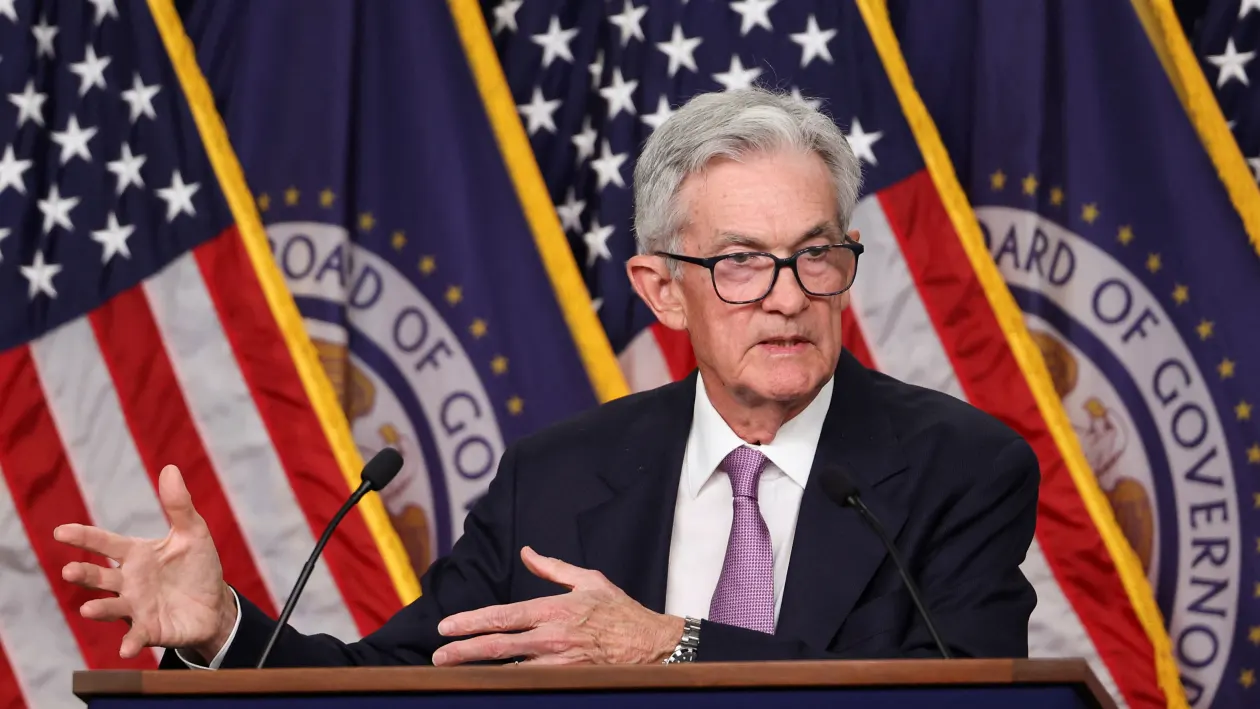
Fed Rate Hold Creates SBA Financing Certainty for Small Business Growth
The Federal Reserve's March decision to hold rates steady at 3.5%-3.75% sent mixed signals to markets expecting cuts. But for small business owners considering SBA financing, this pause creates something more valuable than rate speculation: certainty.
With the prime rate locked at 6.75% and SBA loan rates averaging 9.79% in Q1 2026, borrowers now have a stable foundation for financial planning. This rate environment, while not the lowest we've seen, remains historically competitive and eliminates the guesswork that comes with volatile rate cycles.
The Reality Behind Rate Cut Expectations
The Fed's 11-1 vote to maintain current rates reflects genuine economic uncertainty. Middle East conflicts, mixed employment data, and persistent inflation concerns have created a complex landscape that defies simple solutions. Fed officials still project one rate cut in 2026, but their caution suggests borrowers shouldn't bet their financing decisions on it.
Small business confidence supports this measured approach. The Federal Reserve's latest Small Business Credit Survey shows revenue expectations have fallen to their lowest levels since 2020, with the index dropping from 39 to 33. When 48% of small firms source inputs internationally and most report price increases from tariffs and supply disruptions, rate stability becomes more valuable than rate reduction.
SBA Lending Remains Strong Despite Uncertainty
Q1 2026 SBA lending data reveals a market that's adapted to current conditions. Average loan sizes increased 16% to $506,000, suggesting borrowers are making substantial investments despite economic headwinds. More importantly, 60% of small businesses applied for financing in the past 12 months, with 42% receiving the full amount they sought.
These numbers indicate healthy lending appetite on both sides of the equation. Small banks continue to show the highest SBA approval rates at 57%, while online lenders are capturing growing market share by streamlining application processes.
Strategic Advantages of Acting Now
The current rate environment offers three key advantages over waiting for potential cuts:
Predictable Planning: With rates stable, businesses can model cash flows and returns without factoring in rate volatility. This stability is particularly valuable for longer-term SBA loans where rate changes can significantly impact total borrowing costs.
Competitive Positioning: While competitors wait for better rates, proactive businesses can secure financing for growth initiatives, equipment purchases, or acquisition opportunities. First-mover advantages often outweigh modest rate savings.
Lender Capacity: Current market conditions mean lenders have capacity and competitive pressure to close deals. Borrowers benefit from attentive service and reasonable terms when lenders aren't swamped with applications driven by rate cuts.
The Cost of Waiting
Even if the Fed cuts rates by 0.25% as projected, the impact on SBA loan payments is modest. For a $500,000 SBA loan with a 25-year term, a quarter-point reduction saves approximately $75 per month. Meanwhile, delaying growth investments or expansion plans can cost significantly more in lost revenue and competitive positioning.
Business fundamentals matter more than rate optimization. Companies with solid cash flow, clear growth plans, and strategic financing needs shouldn't let rate speculation drive timing decisions.
Making the Most of Current Conditions
Successful SBA borrowers in this environment focus on loan structure over rate shopping. Working with experienced lenders who understand SBA programs can unlock benefits that dwarf small rate differences:
- Longer amortization periods that reduce monthly payments
- Lower down payment requirements compared to conventional loans
- Fixed-rate options that eliminate future rate risk
- SBA guarantees that improve approval odds for qualified borrowers
The key is approaching SBA financing as a strategic business decision rather than a financial market play. Businesses that need capital for growth, equipment, or working capital should evaluate opportunities based on business merit, not Fed policy predictions.
Looking Forward
The Federal Reserve's cautious approach reflects the complexity of current economic conditions. Small business owners face their own complexities: supply chain disruptions, labor market challenges, and evolving customer demands.
Navigating this environment successfully requires focus on controllable factors. SBA financing at current rates provides the capital foundation for business growth, competitive positioning, and operational flexibility. These advantages compound over time, creating value that extends well beyond interest rate movements.
For businesses ready to act on strategic opportunities, the current SBA lending environment offers both competitive rates and lender capacity. The Fed's rate pause eliminates timing uncertainty, creating a window where financing decisions can be based on business fundamentals rather than monetary policy speculation.

.svg)

.svg)


.png)


.png)


.jpg)